Blog
Deep-dive guides on AI agents, agent orchestration, MCP, and developer tooling.
10 posts found

LiteLLM vs. OpenRouter vs. Portkey: What an LLM Gateway Actually Does Between Your App and the Model
LiteLLM, OpenRouter, and Portkey all promise one API in front of every model provider. Here is how their routing, caching, and failover architectures actually differ once you look past the pitch.

Prompt Versioning and Regression Testing: Why Prompts Need a CI Pipeline Too
A one-line system prompt tweak that 'fixes' one failure case can silently break three others. Here's how teams are starting to treat prompts as versioned, tested artifacts instead of strings in a config file.

vLLM, SGLang, or TensorRT-LLM: What Actually Differs When You Self-Host an LLM
vLLM, SGLang, and TensorRT-LLM all promise fast self-hosted inference, but they make different bets on KV cache management, structured output, and hardware lock-in. Here's what actually changes depending on your traffic pattern.

Claude Haiku 4.5 vs. GPT-5.4 Mini vs. Gemini 3.8 Flash: The Economics of Cheap Inference
The three labs' cheap-tier models now sit within a quarter-dollar of each other per million input tokens, so the real differences are in release cadence, cache economics, and how much of your "cheap" budget goes to invisible reasoning tokens.

Fixed-Size, Semantic, or Late Chunking: Where RAG Retrieval Actually Breaks
Most RAG recall failures are decided at the chunking step, long before retrieval or reranking. Here is how fixed-size, semantic, and late chunking actually differ, and when each one silently loses the fact you need.


Claude Sonnet 5 vs. GPT-5.6 vs. Gemini 3.1 Pro: What the Pricing Table Doesn't Tell You
A side-by-side look at pricing, context windows, and tiering across the three frontier model families as of August 2026, and why the spec sheet undersells how differently they actually behave in agent loops.
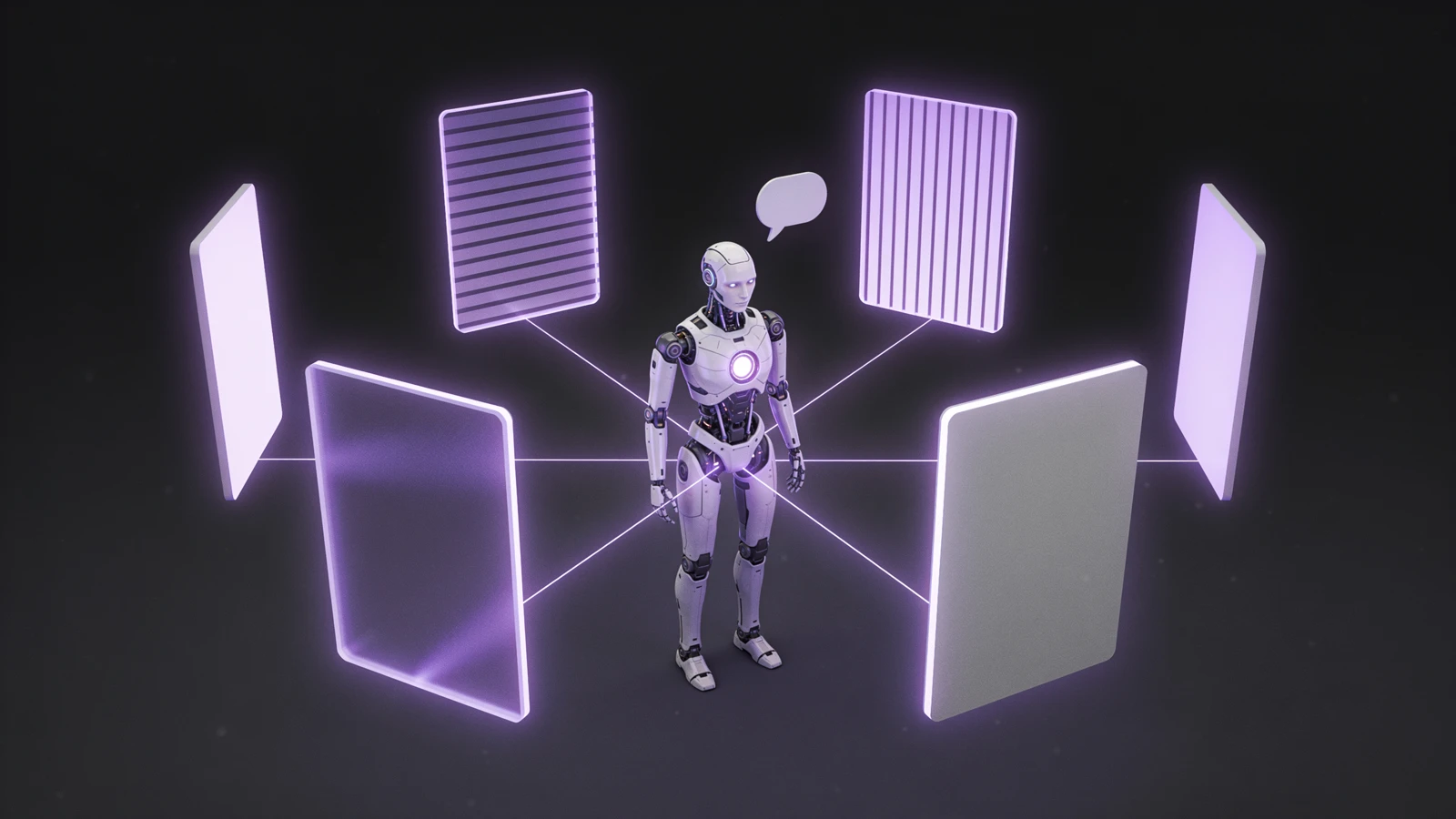
Prompt Engineering for Agents Is a Different Discipline Than Prompt Engineering for Chat
In agent systems, instructions live across four surfaces (system prompt, tool schemas, tool results, and few-shot text), not one. Most prompt debugging still only looks at the first.
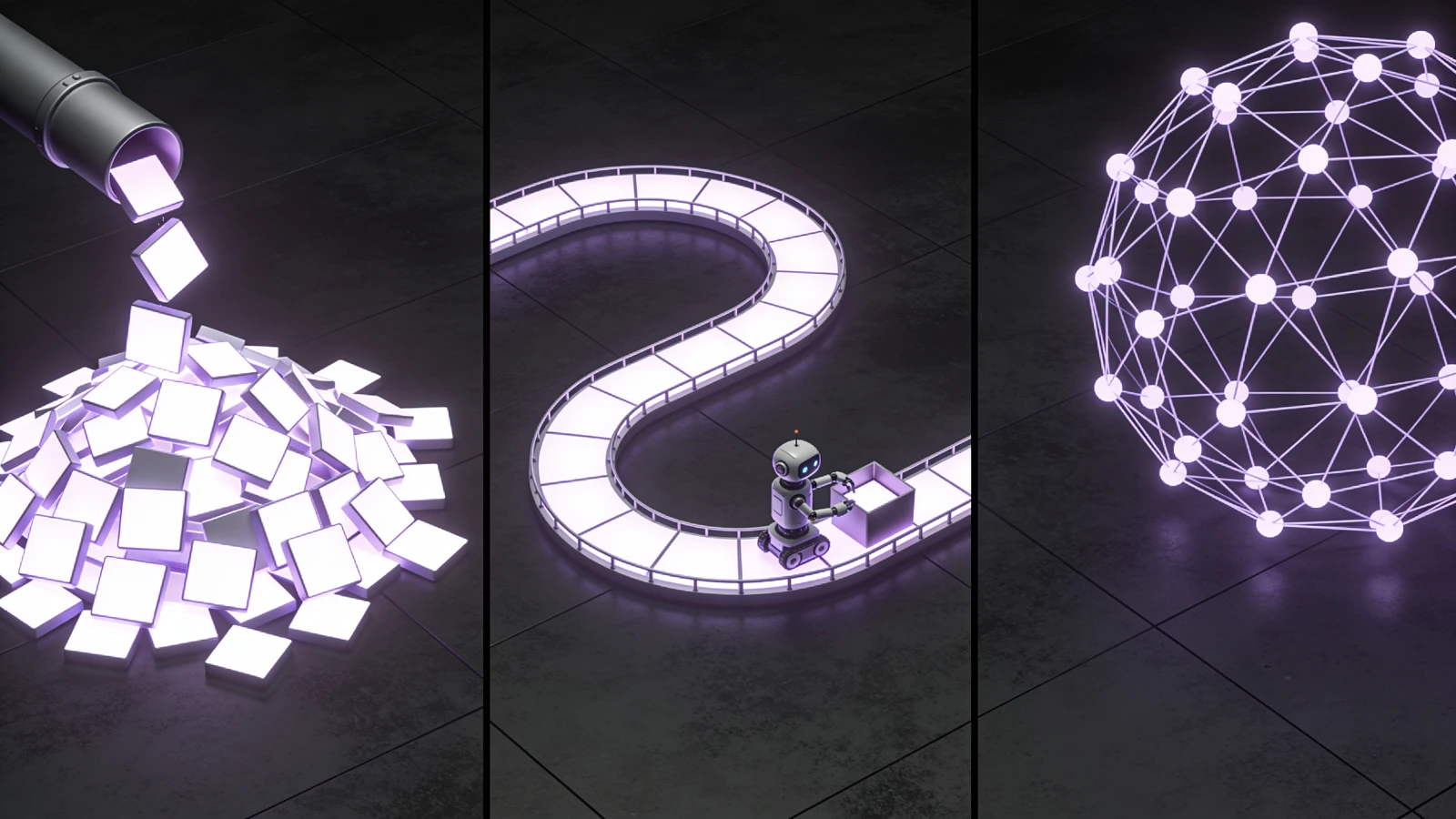
Naive RAG, Agentic RAG, and GraphRAG: What Actually Changes Architecturally
RAG is not one architecture; it is three structurally different systems with different costs and failure modes. Here is what actually changes between naive, agentic, and graph-based retrieval, and how to pick without over-building.

New posts by email
One email when a new post goes up. No other mail; unsubscribe in one click.
We store your email only to send new posts. See the privacy policy.